Maryland Native Plants: What are Spring Ephemerals?
Spring Ephemerals – What Are They and Why Are They Important?
e·phem·er·al (/əˈfem(ə)rəl/): adjective – lasting for a very short time
What are Spring Ephemerals?
Spring ephemerals are early emerging, short-blooming wildflowers that are most commonly found on the forest floor. They are a crucial food source for early emerging native pollinators such as Miner bees (Andrenidae spp.) including the Violet Miner Bee and the Spring Beauty Miner Bee! Spring ephemerals are often well designed for pollination by specific species due to their shape and emergence time. One particularly interesting way that spring ephemerals distribute their seeds is by something called myrmecochory, or by ants! The ants take the seed and the protein-rich “fruit” around the seed back to their nest, then dispose of the seed portion in their waste area, essentially planting the seed in the ground.
They are an excellent choice for shady, woodland gardens. Spring ephemerals emerge after the hardest of the winter frosts, but before the forest canopy above them has filled in to full summer volume. In other words, they are best planted in gardens shaded by deciduous trees, but they will emerge, flower, and produce seeds while conditions in that garden are still fairly sunny.
How Do They Grow?
Spring ephemerals are perennial, meaning they come back every spring. They are also geophytes, or plants with underground storage structures known colloquially as bulbs. In the spring, they grow stems and leaves above ground before flowering and seeding, and their bulb grows. In the summer, their leaves and roots enter senescence, or, essentially, die back, and the plant enters summer dormancy. Towards late summer, the bulb “awakens” and induces flower growth. And as temperatures cool in the fall, the bulb begins producing shoots and maturing flowers underground. The shoot and flower remain dormant throughout the winter before emerging once again in the spring when cued by light and temperature.
These delicate and short-blooming plants are able to survive our chilly spring nights through a variety of fascinating adaptations. Some species, such as bloodroot (Sanguinaria canadensis), are protected by their folded leaf structure that traps warm air. Others, such as round-lobed hepatica (Hepatica americana) have very fine airs on their stems that protect them from the cold and the wind. Many species, such as spring beauty (Claytonia virginica), close their flowers at night and in cloudy conditions.
What Does Lauren’s Carry?
We carry a variety of spring ephemerals here in the nursery, in both potted and bare root form! Check out a few that we have this spring, listed below!
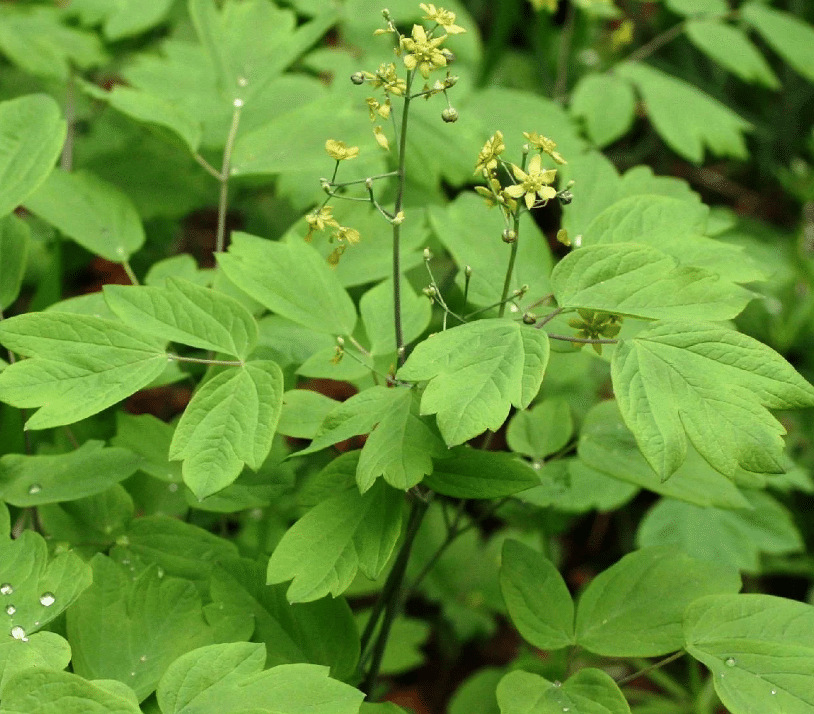
Blue Cohosh (Caulophyllum thalictroides)
___
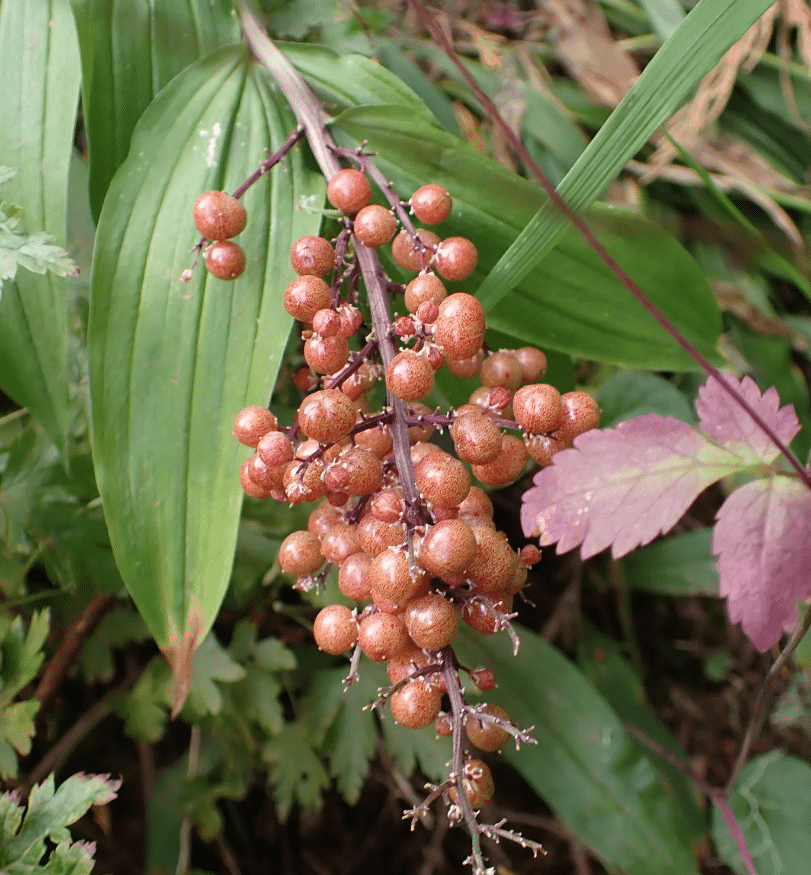
False Solomon’s Seal (Maianthemum racemosum)
___
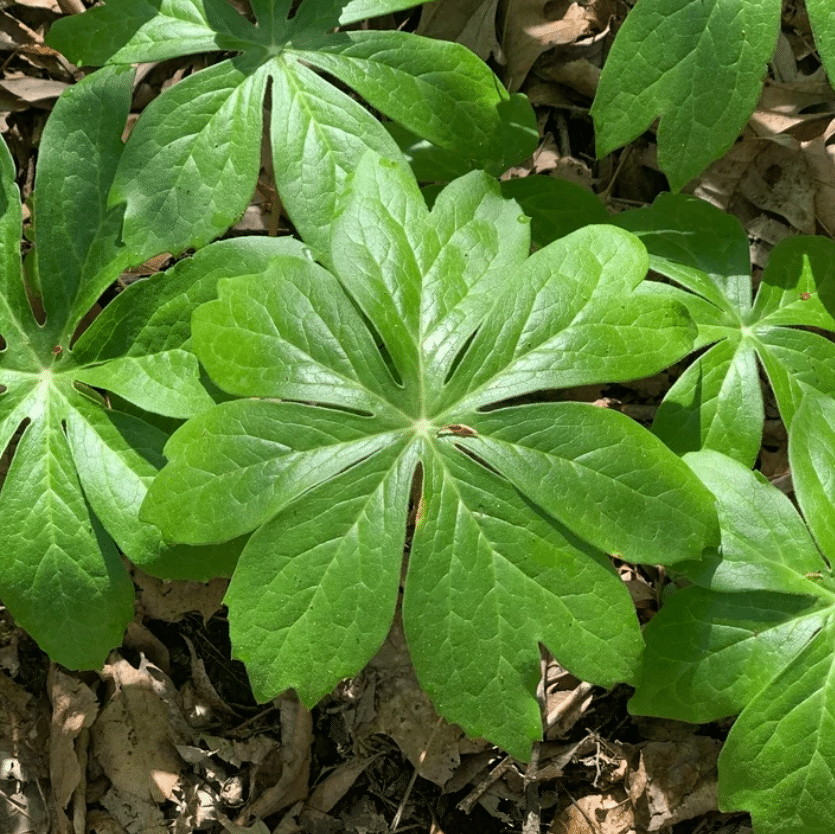
Mayapple (Podophyllum peltatum)
___
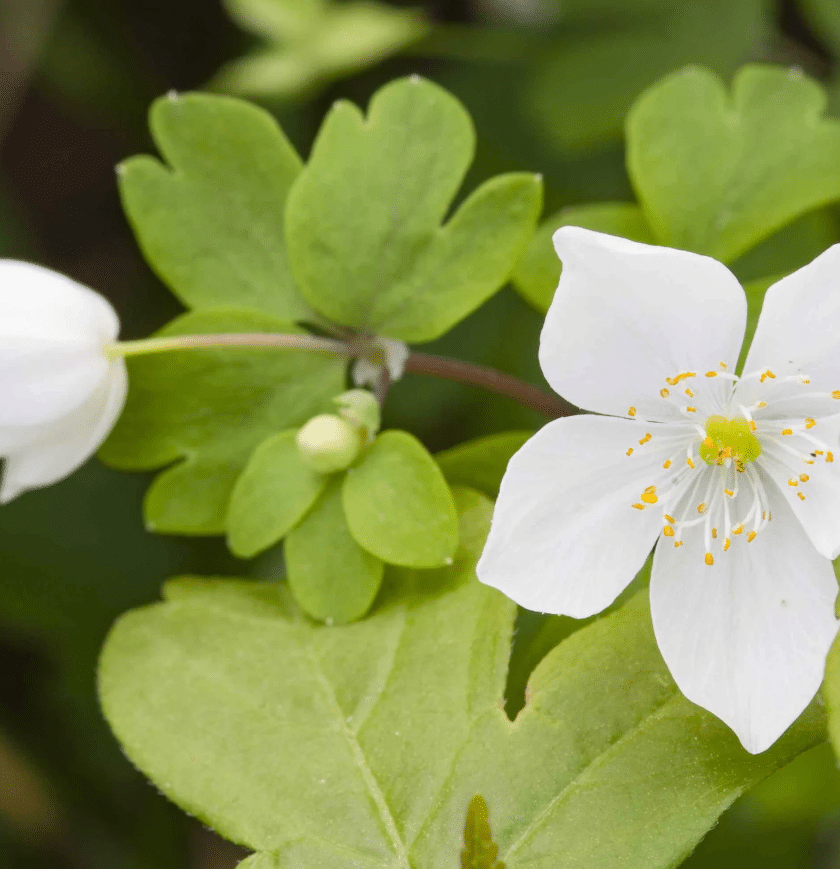
Rue Anemone (Thalictrum thalictroides)
___
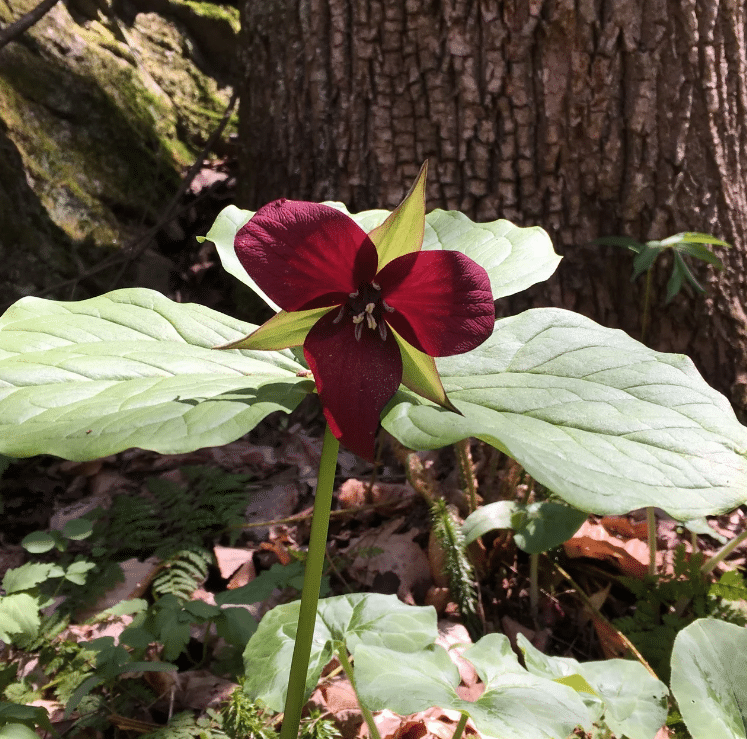
Red Trillium (Trillium erectum)
___
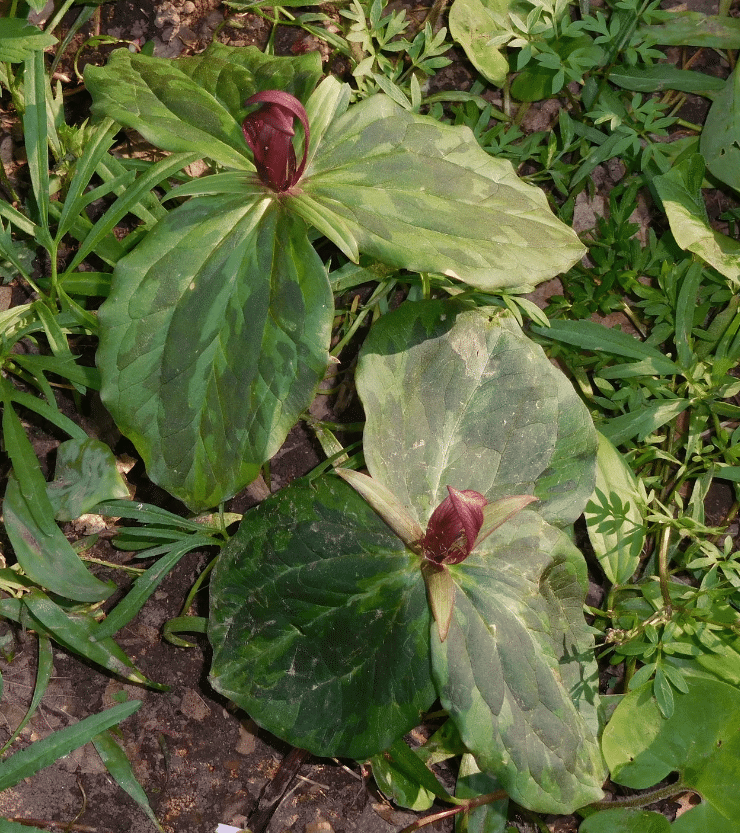
Toadshade Trillium (Trillium sessile)
___
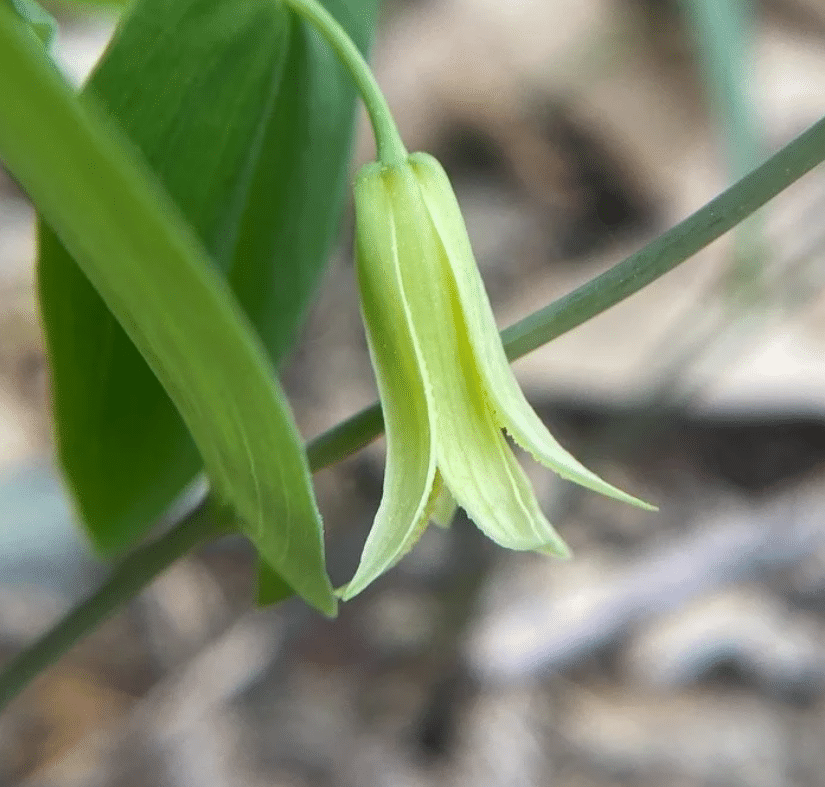
Perfoliate Bellwort (Uvularia perfoliata)
___
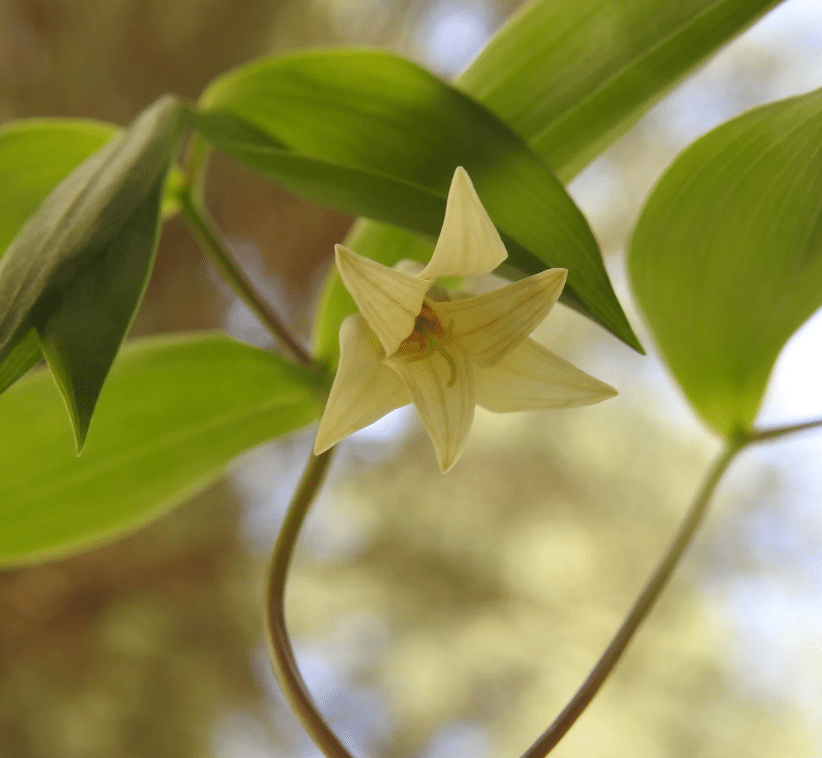
Sessile Bellwort (Uvularia sessilifolia)
___
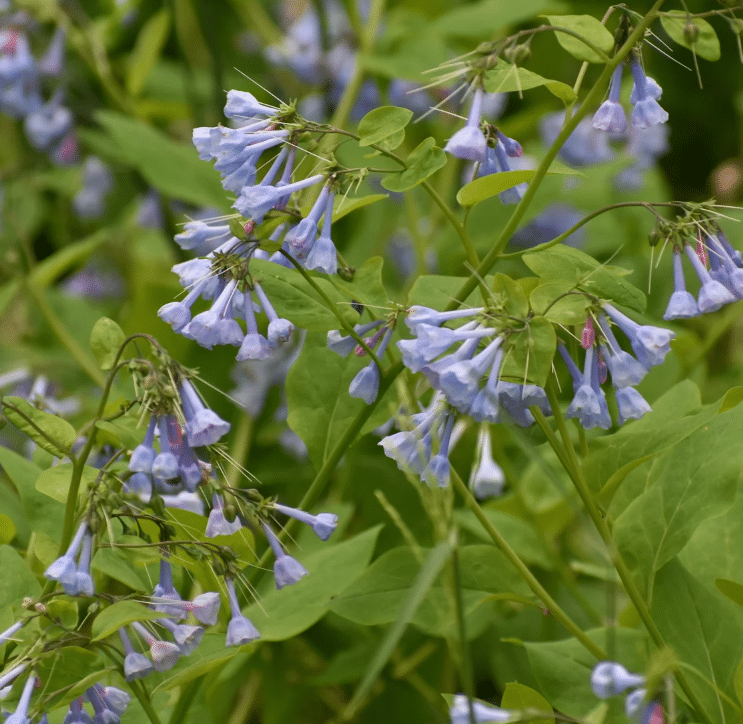
Virginia Bluebells (Mertensia virginica)
___
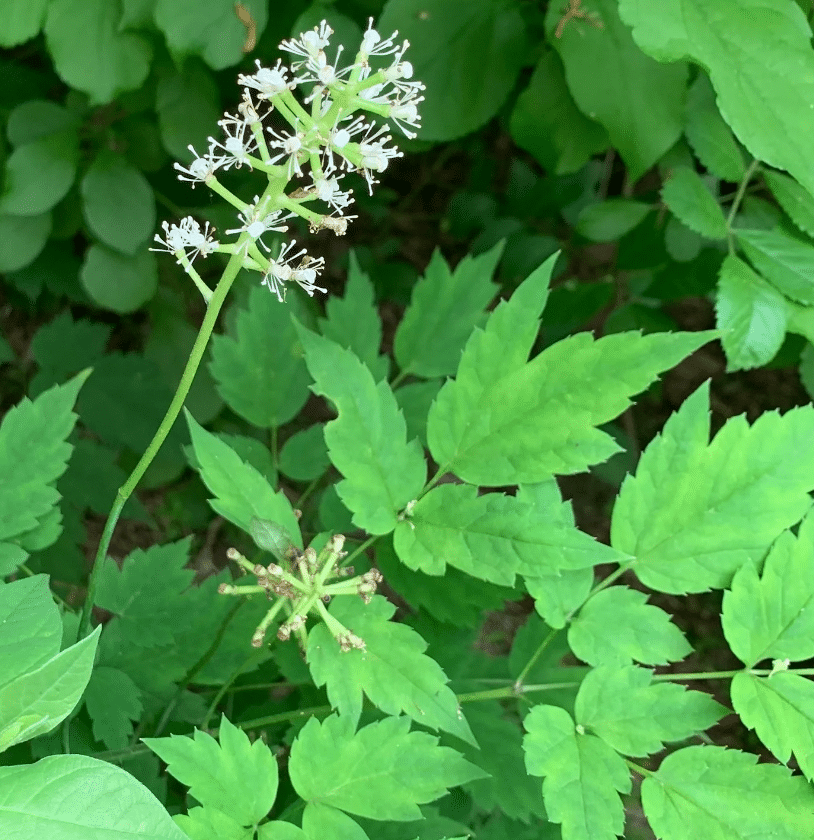
White Baneberry (Actaea pachypoda)
___
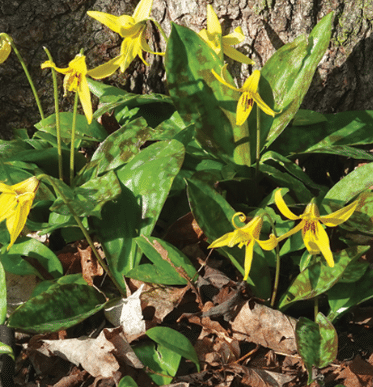
Yellow Trout Lily (Erythronium americanum)
___
We also have many species of spring ephemeral available in bare root form, or as an unplanted bulb that should be planted (often below the surface of the soil) in suitable environments. We are currently only selling bare roots in person in the nursery, and they are not available via online order. Thank you for your understanding!
In bare root form, we are currently carrying:
- Bignonia capreolata – crossvine
- Chrysopsis mariana– Golden Aster
- Jeffersonia diphylla – Twinleaf
- Mitella diphylla – Bishop’s Cap
- Primula meadia (previously Dodecatheon) – Shooting Star
- Salvia lyrata – Lyre-leaf sage
- Sisyrinchium angustifolium – Blue-eyed Grass
- Trillium grandiflorum – White Trillium
- Viola sororia – Common Blue Violet
(Information from the University of Maryland Extension, Alliance for the Chesapeake Bay, and Master Gardeners of Northern Virginia)
~~~~