
Maryland Native Trees for Wildlife: Carpinus caroliniana – Ironwood or Hornbeam
Maryland Native Plants
Carpinus caroliniana – Ironwood or Hornbeam
Planting and Growing
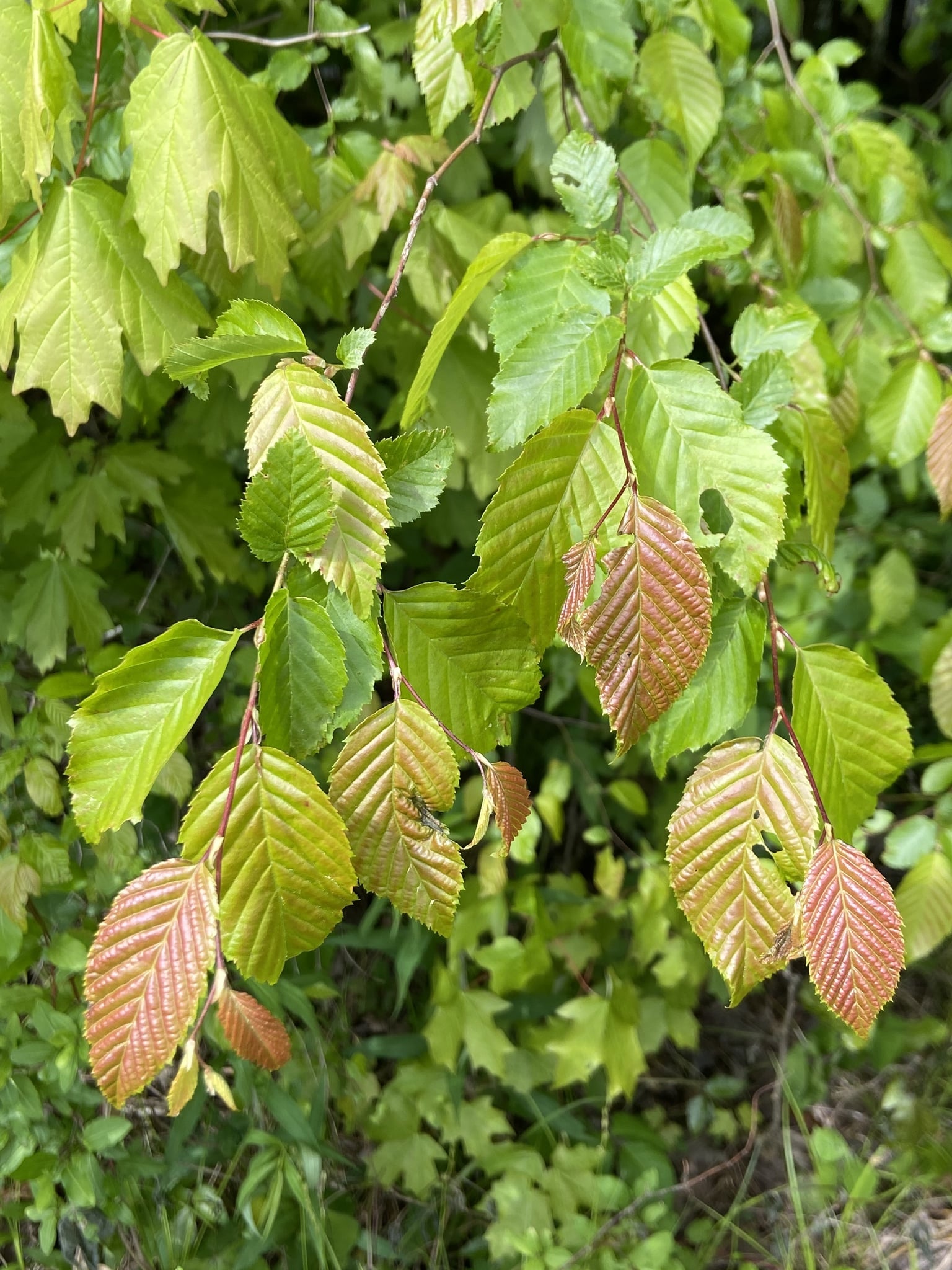
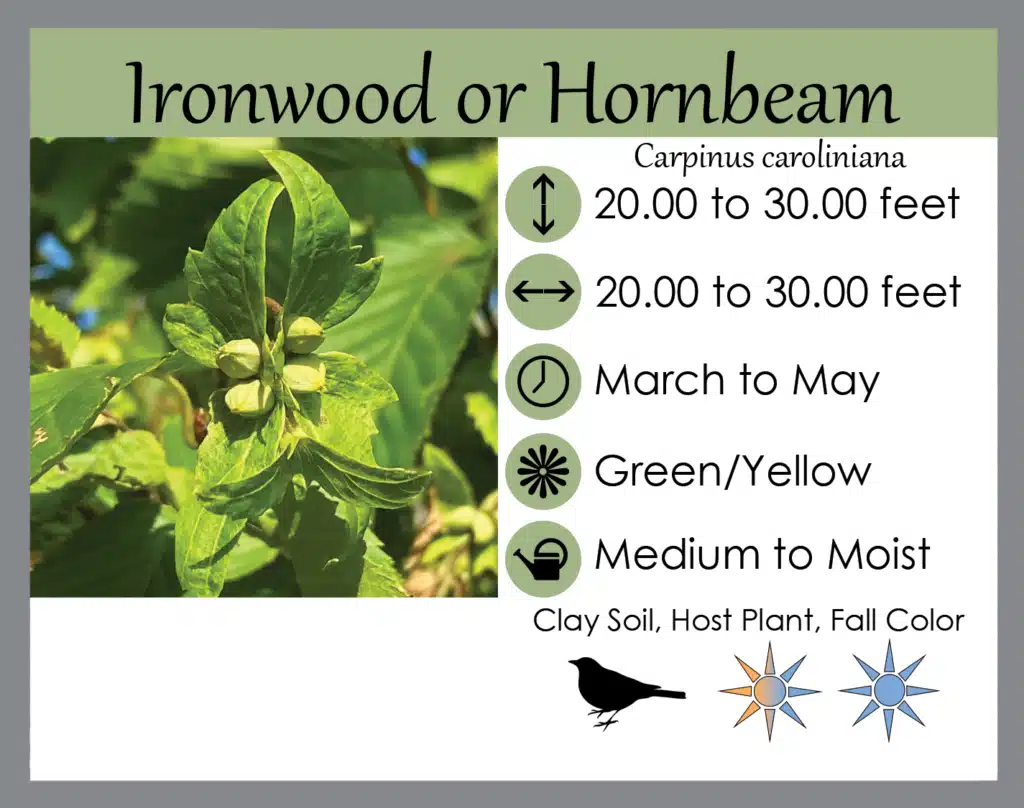
Carpinus caroliniana, commonly called Ironwood or Hornbeam, prefers moist, organically rich soils, but is easily grown in average moisture in part shade to full shade. American hornbeam, is a slow-growing, deciduous, small to medium-sized (20′-35′ tall) understory tree with an attractive globular form. In the wild it is typically found in rich moist woods, valleys, ravine bottoms and rocky slopes along streams. Flowers appear in spring in separate male and female catkins on this self pollinating tree. The female catkins produce distinctive clusters of winged nutlets. Serrated, elliptic-oval, dark green leaves often turn various shades of yellow, orange, and red in fall.
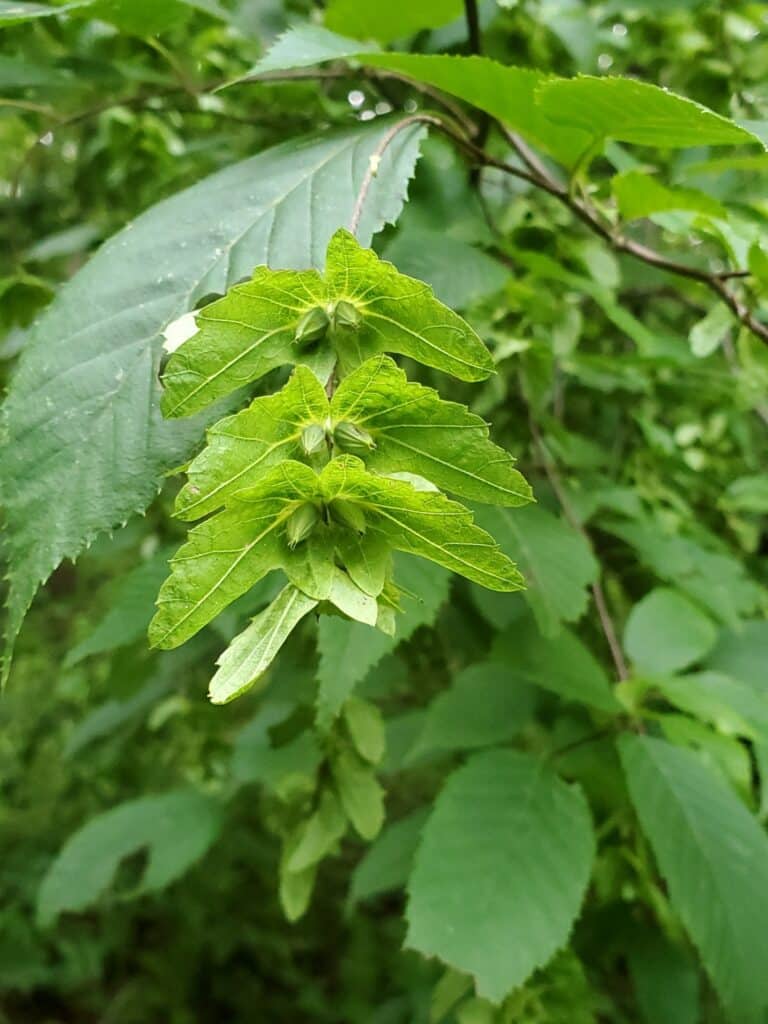
Cluster of Nutlets
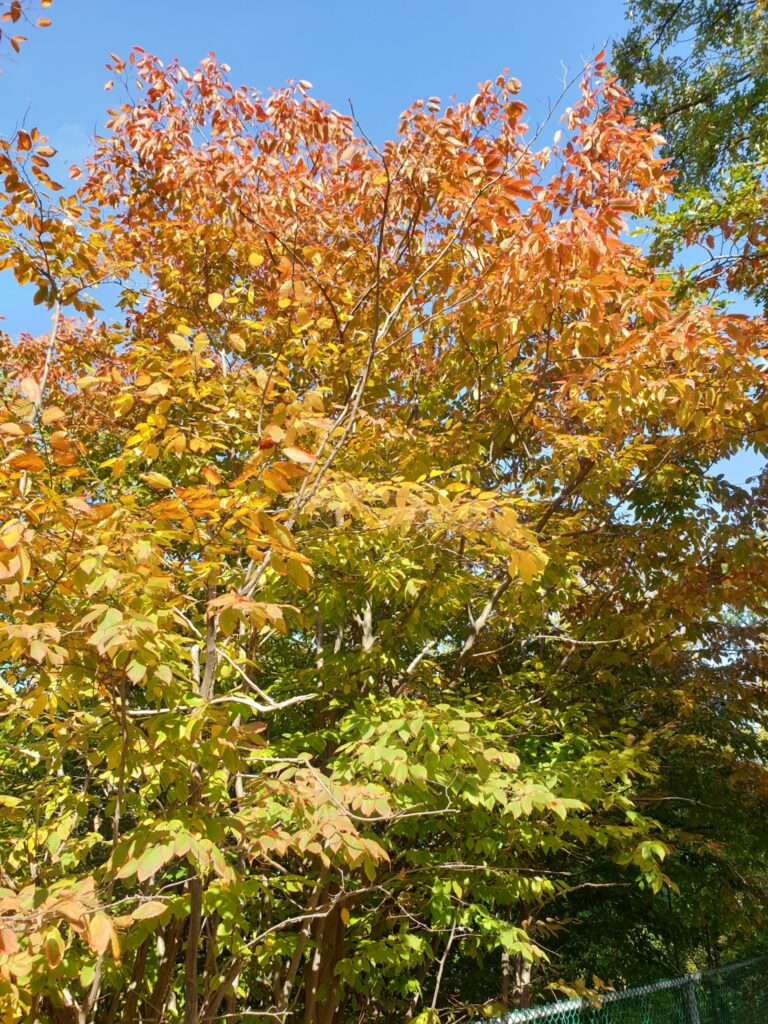
Fall Foliage of Hornbeam
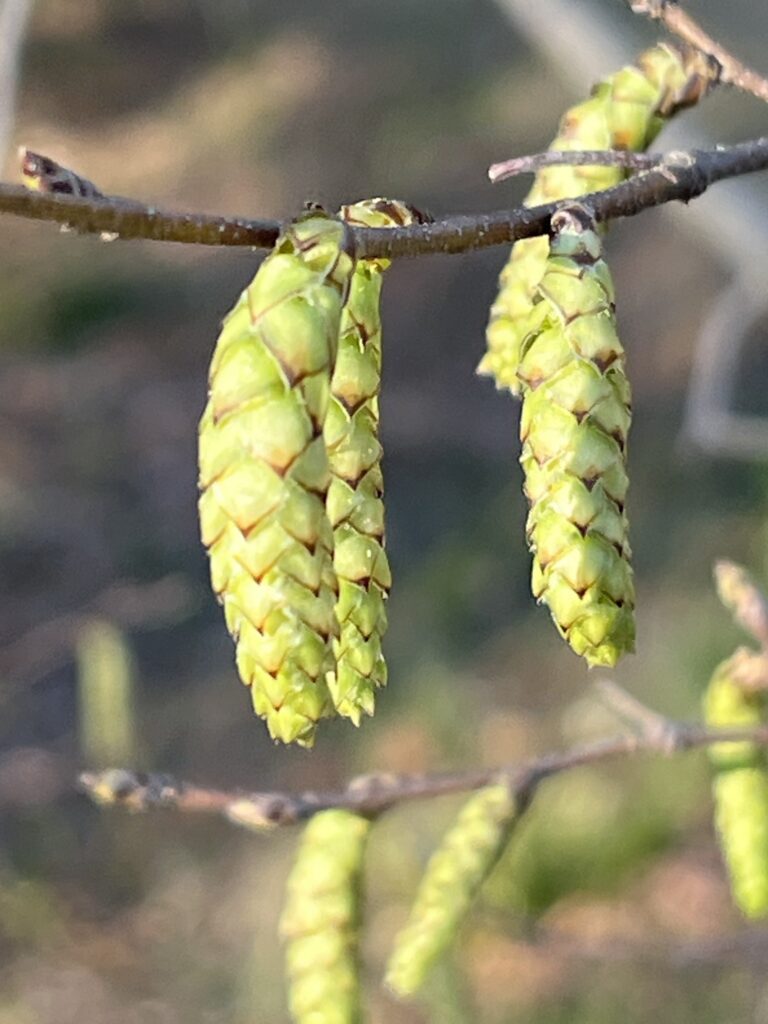
Catkins on Hornbeam
Wildlife Benefits
American Hornbeam is a host plant for the caterpillars of several species of butterflies, including the Eastern Tiger Swallowtail, the Striped hairstreak, and the Red-spotted Purple. Nutlets and buds are an important food for gray squirrels and wild turkeys. Leaves, twigs, and larger stems are eaten by cottontails and white-tailed deer, though Hornbeam is not among their preferred foods. American Hornbeam is also heavily used by beaver due to its abundance in beaver habitat.
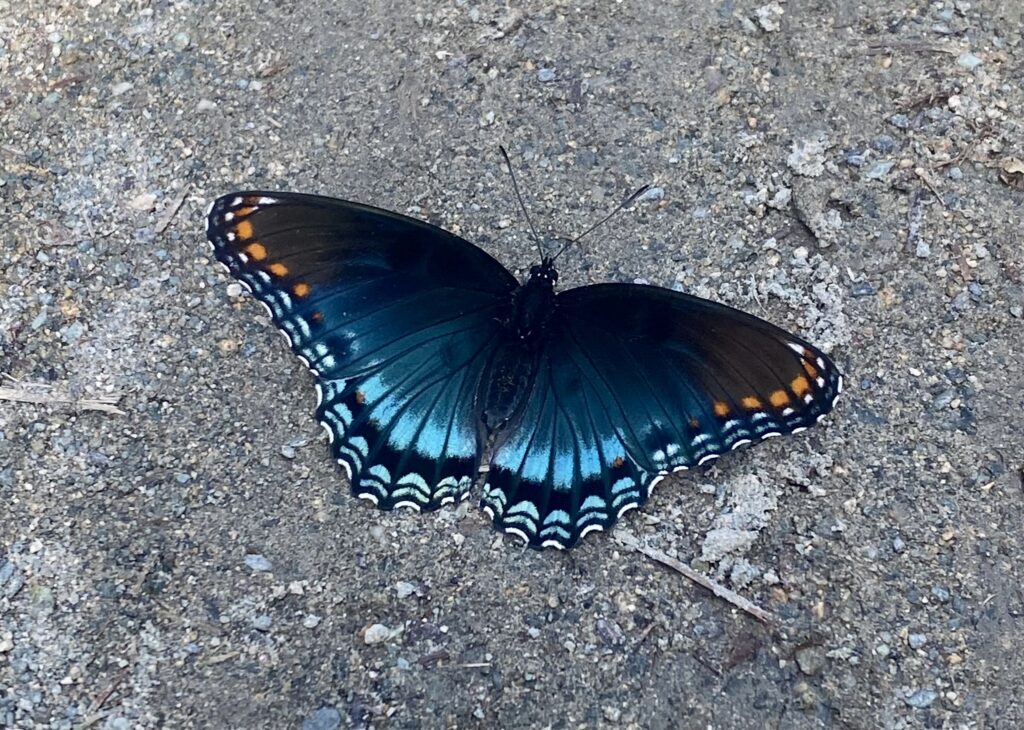
Red Spotted Purple
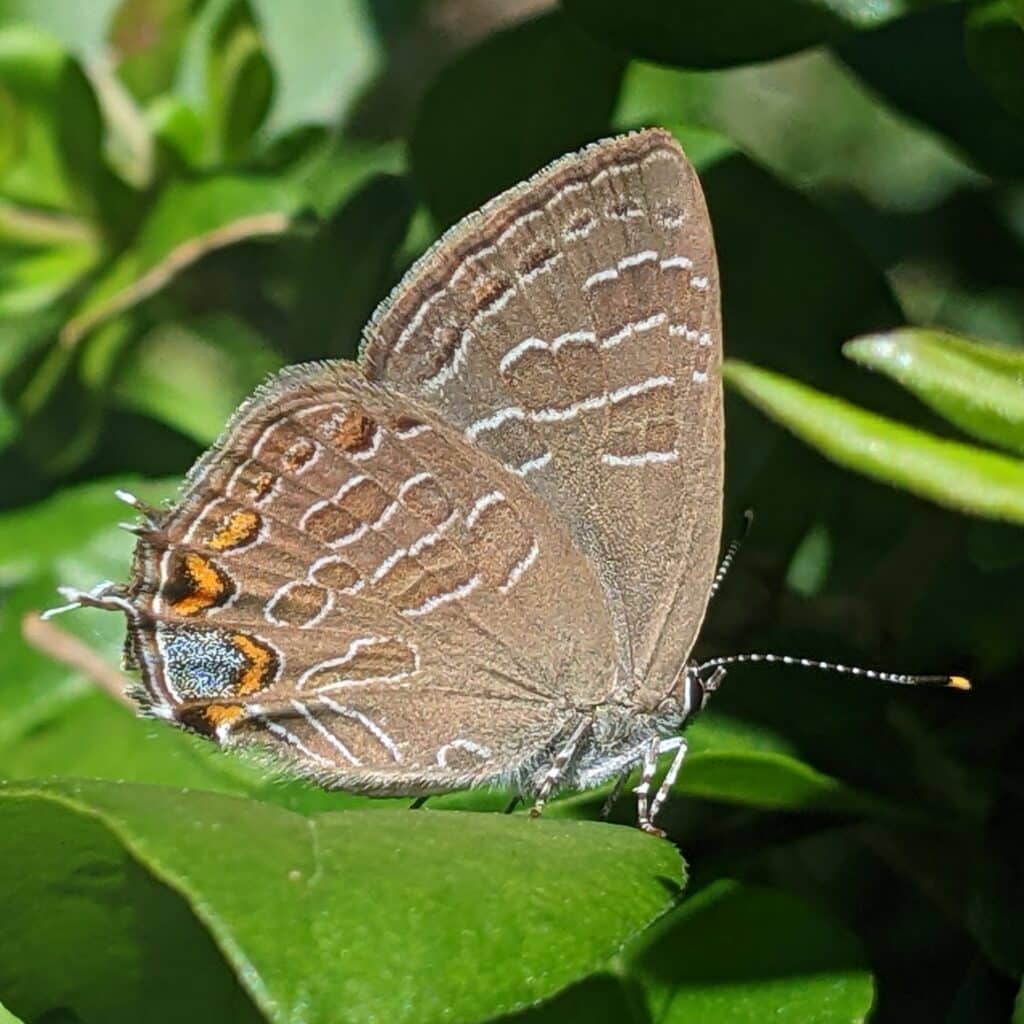
Striped Hairstreak
Fun Facts
As the common name suggests, the extremely hard wood of this tree will take a horn-like polish, and was once used by early Americans to make bowls, tool handles, and ox yokes.
The gray trunk and larger branches of a mature tree exhibit a distinctive muscle-like fluting that has given rise to another common name: musclewood.
***
***
Plant Information
Common Name: American hornbeam or Ironwood
Type: Tree
Family: Betulaceae
Height: 20.00 to 35.00 feet
Spread: 20.00 to 35.00 feet
Bloom Time: February
Bloom Description: White (female), Green (male)
Sun: Part shade to full shade
Water: Medium – moist to periodically wet; pH adaptable (acidic to slightly alkaline)
Maintenance: Low
Suggested Use: Street Tree, Naturalize
Flower: Insignificant
Leaf: Good Fall
Attracts: Birds
Tolerate: Clay Soil, Black Walnut
~~~~